(this blog is about getting outside and taking advantage of some downtime. Please make sure you abide by all state and local ‘social distancing’ protocol, pack up at home and bring everything back with you, and most of all, stay safe!)
If you’re a Teardrop owner and the idea of working from home or holing up in your house for the duration of the Coronavirus pandemic makes you twitch, you might want to consider boondocking.
Seasoned boondockers already know great places to camp in remote public lands, but if you are new to the teardrop lifestyle, you might be scratching your head and asking yourself, what the heck is boondocking, why should I do it, and where do I go? Let’s break it down.
What is boondocking?
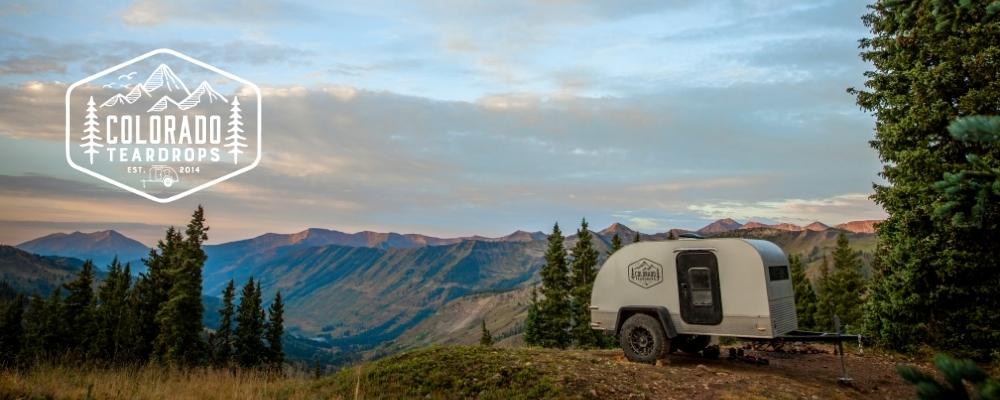
Boondocking is camping off the grid in your teardrop, usually at a primitive or undeveloped campsite where RV hookups are entirely unavailable. Essentially, you are camping with your rig and whatever supplies you brought along.
Why should I do it?
Because in times like these, when Coronavirus fears are running amok, and we are under restrictions about gathering, boondocking is a great opportunity to get away from it all, breathe some fresh air, reflect on the glory of mother nature and recharge our internal batteries. Instead of fearing solitude, we can embrace it. And it’s often free!
Where can I go?
There are so many beautiful places to boondock! It’s merely a matter of finding the spot that’s right for you and keeping safe while you do it. Fortunately, there are several resources to help you do your research before you go.
Bureau of Land Management
BLM land is popular among those who want to get away from crowded campgrounds. Some campgrounds have restroom facilities and water, but for those practicing social distance, primitive sites with just a picnic table and a fire ring, or permits for camping on the land where there are no designated sites, are a great option. Click here to find the best BLM site for you.
United States Forest Service
The USFS has a lot of information on their website, including a free link to Motor Vehicle Use Maps with a state-by-state breakdown of places that permit boondocking, or dispersed camping, as it is referred to in government literature.
US Fish & Wildlife
USFW has a plethora of information about places to camp and interact with wildlife. Click here and then enter the state where you want to camp in the search bar for a multitude of sites to camp and observe wildlife.
Do It Yourself RV
DIYRV features a great article by Janessa Miller, a step-by-step guide to finding free boondocking sites using Google Maps!
Campendium
This fabulous camping website offers step-by-step instructions to find free or boondocking sites.
Boondocking takes planning and preparation, so if you are a newbie, order a copy of one of many books on the subject and visit some helpful websites to familiarize yourself with the concept. Be informed and prepared! Check the weather, learn the rules of the land before you camp there, and always practice proper boondocking etiquette, which is to respect others and nature by packing out everything you pack in, returning the land to its original footprint before you were there.